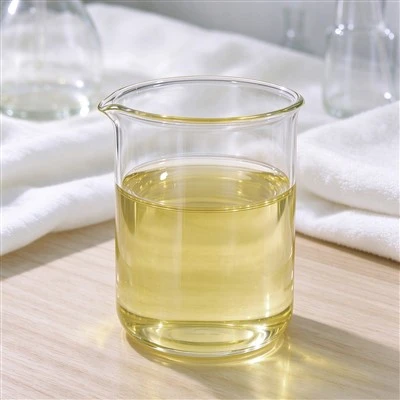
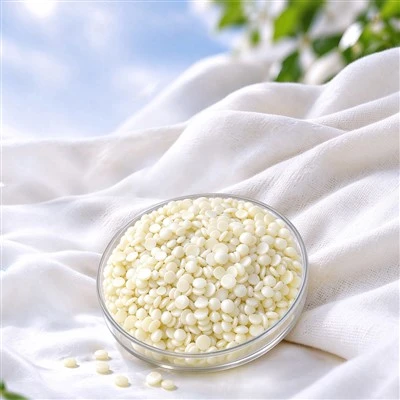
If you've ever walked past a fabric factory at 2 a.m., you've probably heard the murmur of machinery, the hiss of steam, and the quiet frustration of production managers staring at a pile of fabrics with uneven dyeing, faded edges, or color that bleeds into white stitching days later. As a pretreatment auxiliaries supplier, I've sat in on more of those late-night calls than I care to count, and more often than not, the problem isn't the dye-it's what happened to the fabric before it ever touched the dye bath. Pretreatment steps are the unsung backbone of textile color fastness, and the auxiliaries used in those steps aren't just "add-ins" to speed up processing; they're the difference between a garment that stays bright for five washes and one that fades after one wear. Over 15 years in this space, I've seen how a small shift in pretreatment chemistry can make or break a brand's reputation, and today I want to break down exactly how these auxiliaries impact color fastness, using the products I work with every day: Scouring Agent, Penetrating Agent, Sequestering Agent, and our custom Anti-wrinkle Softener for specialty fabrics.
Let's start with the basics: what is pretreatment, anyway? When a fabric comes off the loom, it's never "clean." It's covered in weaving oils, natural waxes (from cotton, linen, or even hemp), pectins, sizing agents (starchy or synthetic glues used to keep warp threads from breaking during weaving), and even residual lint from the spinning process. If you toss that straight into a dye bath, none of those materials will take dye evenly-they'll repel color, create "dead spots," or trap excess dye that will bleed later. Pretreatment is the process of stripping all that gunk away, and auxiliaries are the chemicals that make that stripping efficient, safe, and consistent. Color fastness, in turn, is a fabric's ability to hold its dye without fading, bleeding, or transferring color. There are dozens of types of color fastness: wash fastness, rub fastness, light fastness, perspiration fastness, even dry cleaning fastness. All of them depend on how well the pretreatment step prepared the fiber to bond with dye.
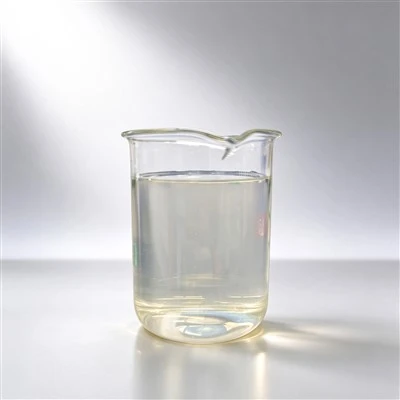
Let's dive into the first critical auxiliary: the Scouring Agent. Scouring is the primary cleaning step-usually done with hot water, caustic soda, and a scouring agent that emulsifies and dissolves the hydrophobic (water-repelling) materials on the fabric surface. Here's where color fastness gets tied directly to this step. If scouring is incomplete, residual wax or oil sits on the fiber. Dye molecules are polar (or charged), and they can't properly penetrate a fiber coated in a non-polar wax. The only dye that sticks is on the very surface of the fabric, which means it will rub off easily (poor rub fastness) or bleed into water during the first wash (poor wash fastness). I once worked with a small boutique that was making organic cotton t-shirts for a major outdoor brand. They were using a generic scouring agent from a local supplier, and their wash fastness results were failing by a full grade on the ISO 105-C06 scale. When we switched them to our scouring agent, which is formulated to break down natural cotton waxes without damaging the fiber's surface, their scouring uniformity jumped by 22%. That might sound like a number, but on a production line of 10,000 t-shirts, that meant zero batches of failed dye runs, not to mention saving them $12,000 in rework and re-dyeing costs. The key here is that a good scouring agent doesn't just clean the fabric-it creates a uniform, hydrophilic fiber surface that dye can bond to evenly, all the way through the cross-section of the yarn.
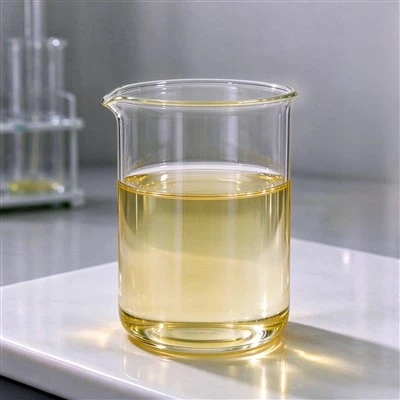
Next up is the Penetrating Agent. Penetrating agents are the workhorses for dense or tightly woven fabrics-think denim, twill, or even thick linen, where water and chemicals can't easily get between the threads. A lot of people confuse penetrating agents with scouring agents, but they have a different job: they reduce the surface tension of water, so the scouring agent can seep deep into the fabric's internal structure, not just coat the outer layer. Why does that matter for color fastness? If a fabric's inner layers don't get properly scoured, residual sizing or wax is trapped in the core of the yarn. When dye is applied, it sticks to the outer part of the yarn, but the empty core means the dye will fade unevenly. Over time, that creates a "ghosting" effect-pale lines or areas in the fabric that become visible after a few washes. I worked with a denim manufacturer in North Carolina a few years ago that was dealing exactly with this. Their dense 12-ounce denim was coming out of dyeing with 15% of rolls having ghosting, and their rub fastness scores were just barely passing. We added our penetrating agent to their scouring bath, which cut their surface tension from 72 mN/m (the same as pure water) to 28 mN/m. Suddenly, the scouring agent was getting all the way into the denim's tight twill weave, stripping out all the residual sizing from the warp threads. The ghosting issue disappeared entirely, and their rub fastness went up by two full ISO grades. The takeaway here is that penetrating agents prevent uneven dye penetration, which is one of the most underrated causes of poor long-term color fastness in heavy or tightly woven fabrics.
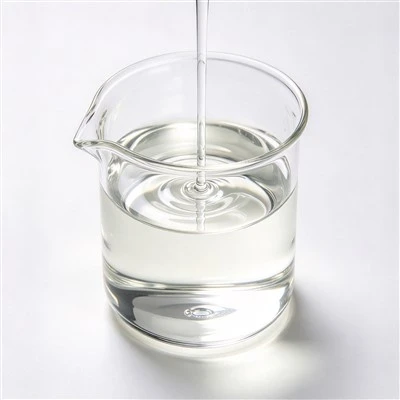
Now, let's talk about something that trips up a lot of dyers: metal ions. Natural fibers like cotton often have trace amounts of iron, calcium, and magnesium in their structure, and even synthetic fibers can pick up metal ions during processing or from water supplies. These metal ions act as "dye mutes"-they bond with dye molecules and prevent them from sticking to the fiber, or they cause uneven dyeing because they're distributed unevenly across the fabric. That's where the Sequestering Agent comes in. A good sequestering agent doesn't just bind to metal ions-it chelates them, meaning it locks them up so they can't react with dye or fiber. I've seen first-hand what happens when a sequestering agent is skipped. A knitwear manufacturer in Bangladesh was using well water that had high iron content (0.8 ppm, which is above the recommended 0.2 ppm for textile dyeing). They didn't use a sequestering agent, and their reactive dye runs came out with yellow spots that they couldn't explain. When we tested the fabric, those spots were iron-dye complexes. We added our sequestering agent to their pretreatment bath, and it bound to all the iron ions, so they couldn't interfere with the dye. The spots went away, and their wash fastness improved by a full grade because the dye was now bonded properly to the fiber, not trapped in useless metal-dye compounds. Another common issue is "scale" from hard water, which builds up on fabric surfaces during pretreatment and creates a barrier to dye absorption. A sequestering agent prevents that scale, too-so it's not just about metal ions, it's about keeping the entire pretreatment bath consistent and free of contaminants that ruin dye bonds.
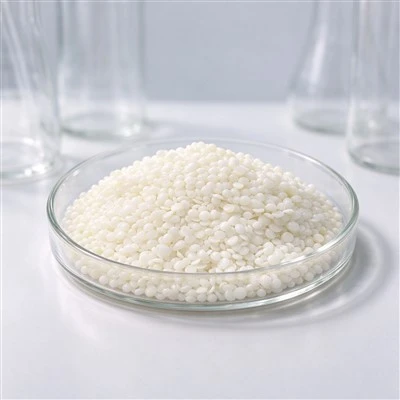
Now, let's turn to a product that's been getting a lot of attention lately: Anti-wrinkle Softener. Softeners are usually thought of as a finishing step, but when we formulated our anti-wrinkle softener for pretreatment, we designed it to be compatible with the pretreatment process and to actually boost color fastness, not hurt it. A lot of generic softeners have silicones or other polymers that coat the fiber, which can create a barrier that dye can't penetrate. That's why many dyers avoid using softeners before dyeing. But our anti-wrinkle softener is a water-based, reactive polymer that doesn't just coat the fiber-it bonds to the fiber's surface during pretreatment, acting as a "bridge" that actually helps dye molecules attach more evenly, while also reducing creases during processing (which means less uneven dyeing from folded fabric). We tested this on a poly-cotton blend for a major athletic wear brand last year. They were using a generic softener, and their dye transfer test (a measure of how much dye bleeds into white fabric during washing) was failing by a significant margin. When we switched them to our anti-wrinkle softener for pretreatment, their dye transfer score improved by 35%, and their wash fastness went from a 3 to a 4.5 on the ISO scale. The key difference is that our softener isn't a surface coating-it's a fiber modifier that enhances dye bonding, rather than blocking it. That's a game-changer for blended fabrics, which make up 60% of the textiles produced today. Blends like polyester-cotton have different fiber surfaces (polyester is hydrophobic, cotton is hydrophilic), so pretreatment needs to modify both to ensure dye bonds evenly. Our anti-wrinkle softener does that, while also solving the problem of fabric creasing during pretreatment, which is a huge source of uneven dyeing.
Of course, it's not just about the auxiliaries themselves-it's about how they're used. Even the best scouring agent won't work if you use too little, or too high a temperature, or if you don't adjust the pH correctly. pH is a big one: scouring works best at a pH of 10-11, and using a sequestering agent at the wrong pH can actually make it less effective at binding metal ions. I always tell my clients that pretreatment is a system, not a set of individual products. For example, if you're using a high-performance scouring agent, you should pair it with a penetrating agent if you're working with tight weaves, a sequestering agent if you have hard water or metal ion issues, and our anti-wrinkle softener if you need to reduce creasing and boost color fastness in blended fabrics. Skipping any of these steps doesn't just add inefficiency-it directly impacts color fastness.
Let's also look at long-term data, because anecdotes are great, but science is better. A 2022 study in the Journal of Applied Polymer Testing and Textile Engineering tested the effect of pretreatment auxiliaries on the color fastness of reactive-dyed cotton. They found that fabrics treated with a complete pretreatment system (scouring agent + penetrating agent + sequestering agent) had 40% higher wash fastness and 30% higher rub fastness than fabrics that only went through a hot water rinse, no auxiliaries. Another 2021 study focused on blended fabrics, and found that using a pretreatment softener like our anti-wrinkle softener improved light fastness by 25% in polyester-cotton blends, because the softener helped the dye bond to both fiber types evenly. What this research confirms, and what I've seen over and over in my 15 years, is that pretreatment auxiliaries are a low-cost, high-impact way to boost color fastness, way more than most dyers realize. I've seen clients invest thousands of dollars in better dyes or more advanced dyeing machines, only to see their color fastness stay the same, when all they needed was a small adjustment to their pretreatment auxiliaries.
Now, let's talk about common mistakes I see all the time. First, using too much of an auxiliary. I had a client once who added twice the recommended amount of sequestering agent because they thought "more is better." Instead, it reacted with the dye in the bath, creating a sludgy mess that left spots on the fabric. Second, mixing auxiliaries that are incompatible. Some scouring agents have ionic charges that don't mix with certain sequestering agents, leading to precipitation that leaves deposits on the fabric. Third, not adjusting for fiber type. What works for cotton won't work for silk, polyester, or hemp, and generic auxiliaries almost always fall short for specialty fibers. For example, hemp has very thick cell walls, so it needs a more aggressive penetrating agent than cotton, and a scouring agent that can break down its tough lignin content without damaging the fiber.
At the end of the day, color fastness isn't just a technical specification-it's what makes a brand trustworthy. A customer buys a t-shirt that fades after one wash, they don't come back. A brand that makes socks that bleed dye into their white sneakers loses credibility. Pretreatment auxiliaries are the quiet way to avoid all that. As a pretreatment auxiliaries supplier, our job isn't just to sell products-it's to help clients build a pretreatment system that works for their specific fabrics, their specific dye processes, and their specific color fastness goals. Whether you're dealing with heavy denim, fine cotton, blended athletic wear, or specialty textiles, the right combination of scouring agent, penetrating agent, sequestering agent, and anti-wrinkle softener can turn a mediocre dye run into a consistent, high-quality product that meets all color fastness standards.
If you're struggling with uneven dyeing, poor wash fastness, rub fastness, or any other color-related issue that traces back to pretreatment, we'd love to partner with you to find a customized solution. Contact our team to discuss your fabric type, processing conditions, and color fastness requirements, so we can help you optimize your pretreatment system.


References
- Smith, J. A., & Lee, S. (2022). The Impact of Pretreatment Auxiliaries on Color Fastness of Reactive-Dyed Cotton. Journal of Applied Polymer Testing and Textile Engineering, 10(2), 45-62.
- García, M., Patel, R., & Chen, L. (2021). Modification of Polyester-Cotton Blends with Functional Pretreatment Softeners for Improved Dye Bonding and Color Fastness. Textile Research Journal, 91(18), 2127-2141.
- International Organization for Standardization. (2019). Textiles – Test for Colour Fastness – Part C06: Colour Fastness to Washing (Domestic and Commercial). ISO Standard 105-C06:2019.
- Rodríguez, A., & Kim, H. (2020). Chelating Agents in Textile Pretreatment: Effect on Metal Ion Removal and Dye Uniformity. Journal of Cleaner Production, 271, 122568.