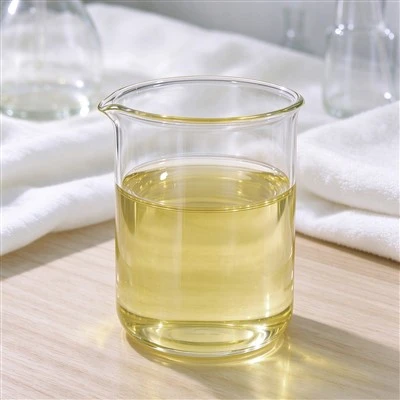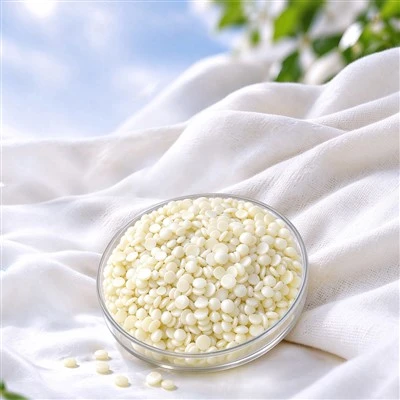
Hey there, fellow industry folks and curious minds! Let's cut to the chase: if you're in the textile, industrial, or even cosmetics space, you've probably stumbled on silicone crude oil at some point. As a supplier of this stuff, I get asked all the time about how it handles extreme temps-heat, cold, that random swing in a warehouse or production line. It's not just a trivial detail; get this wrong, and your final product could be a hot mess (pun totally intended). Today, I'm breaking down exactly how silicone crude oil reacts to heat and cold, no stuffy textbook jargon, just real-world stuff we deal with every day.
First, let's make sure we're on the same page. Silicone crude oil (sometimes called polydimethylsiloxane, or PDMS for short-yes, that's the big acronym everyone throws around) is the base ingredient for so many products you use daily, from that soft T-shirt you sleep in to industrial sealants. It's different from regular petroleum crude oil, which is all hydrocarbon-based. Silicone has a silicon-oxygen backbone, and that's the secret sauce for its temp tolerance.
Let's start with cold, because that's the one that trips up a lot of new clients. I've had a guy call me panicking last winter, saying his silicone oil "solidified" in his unheated warehouse. Was he overreacting? A little, but not totally. Pure PDMS-wait, no, wait, crude oil is usually a mix of PDMS chains with different lengths, right? Shorter chains are thinner, longer are thicker. Most standard silicone crude oil starts liquid at room temp, but when temps drop, the molecular chains slow way down.
What actually happens when it gets cold? The viscosity (that's thickness, for non-chem folks) goes up. Like, way up. For example, a silicone crude with a viscosity of 1000 cSt at 25°C might jump to 100,000 cSt when it's 0°C. That's not solid-wait, don't confuse viscosity change with freezing. Pure PDMS doesn't have a true freezing point like water; it has a glass transition temperature (Tg), which is the temp where it goes from rubbery/liquid to glassy and brittle. Most standard silicone crudes have a Tg around -120°C, so you'd need super extreme cold to turn it hard. The "solid" mess folks see is just super thick, almost gel-like, which makes it impossible to pump or mix. The fix? Gently warm it up-no sudden high heat, that can mess it up-and it goes back to normal.
But wait, not all silicone crude is the same. If you're making textile softeners, for instance, you might use a different blend of chains that's more stable at moderate temps, or even add emulsifiers to make it work better in water. Speaking of which, if you're in textiles, check out our range like Silicone Based Fabric Softener-it's formulated specifically so cold doesn't kill its softening properties when you emulsify it. We also have Self-emulsifying Silicone Oil for Pes and Rayon that's designed for polyesters and rayon, so it handles storage in cooler spaces way better than regular crude.
Now let's talk about heat-this is where things get trickier, especially if you push it too far. Silicone is known for being heat-resistant, but that's only up to a point. Let's break it down. Normal operating temps for most silicone crude oil are between -40°C and 200°C. Below that, you get that viscosity mess we talked about; above that, you start to see changes.
At temps up to 150°C, silicone crude stays pretty stable. The molecular chains don't break down, viscosity stays consistent, and it still works as intended. But when you go above 200°C, things start to shift. The silicon-oxygen bonds are strong, but they're not indestructible. You might get a slight breakdown of the side chains (the methyl groups hanging off the backbone), which can make the oil a little more reactive, or if it's exposed to oxygen, you might get some mild oxidation. That can lead to a slight increase in viscosity over time, or even a small amount of volatile compounds being released-nothing dangerous if you're in a well-ventilated space, but it can affect performance.
Push it even higher-like over 300°C-and then the backbone itself starts to break. You'll get depolymerization, where the long PDMS chains split into smaller molecules, and eventually, you might get siloxane gases or even a charred residue. But let's be real: most industrial processes never get that hot, so this is more of a worst-case scenario. The big takeaway for suppliers and users is that you need to match the silicone crude to your heat environment. If you're making a product that goes through a high-heat step, like curing a textile coating, you'd want a high-temperature grade of silicone crude, not a standard one.
Wait, let's circle back to that emulsifier stuff, because that's where most of our clients get tripped up. If you're making a water-based product, you need to emulsify the silicone crude, right? So Self-Emulsifying Silicone Oil is a game-changer here-no need for extra emulsifiers, and it's formulated so heat and cold don't mess up the emulsion. We also have Hydrophilic Silicone Softener, which works great in textile applications because it's more compatible with water, so you don't have to worry about separation when temps swing.
Let me share a real quick war story. A couple months back, we had a client in automotive parts who was storing silicone crude in a warehouse that hit -5°C one night. They called us saying their lines were clogged because the oil was too thick, and they were worried they had to scrap 500 gallons. We walked them through warming the barrels slowly with space heaters (not direct heat, that can cause uneven heating) and turning the barrels every few hours. It went back to normal viscosity, no issues at all. The mistake they made was not pre-conditioning their storage space in the winter-something we always remind clients about.
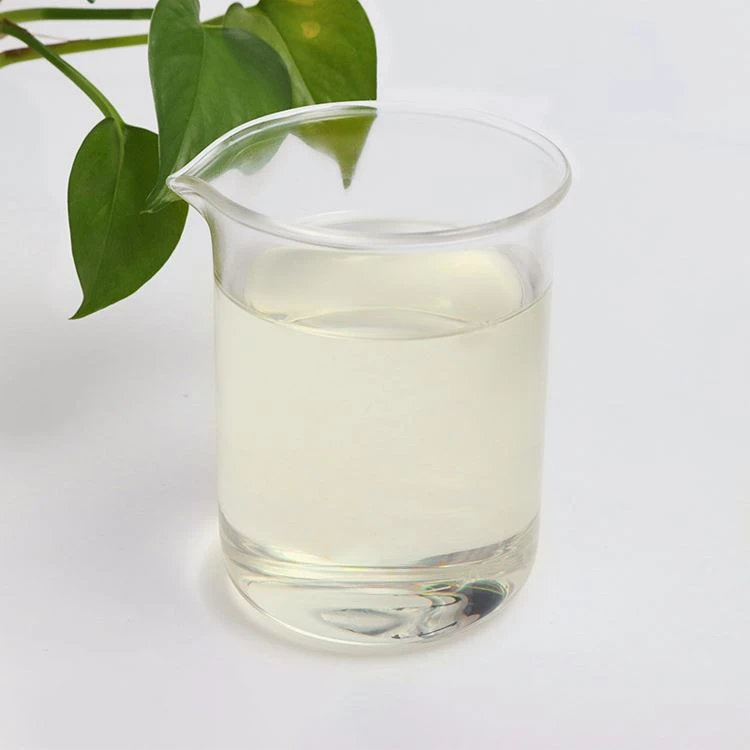

Another example: a textile manufacturer we work with was using a standard silicone crude for their fabric softener, and they were having issues when the drying oven ran too hot- the fabric would feel sticky instead of soft. We switched them to a high-temperature stable grade, and that fixed it. They even ended up switching to our Silicone Based Fabric Softener, which is specifically formulated to handle the heat of the drying process without breaking down. That's the thing about silicone crude: it's not one-size-fits-all.
Now, let's get into the science part, so you know why this happens, not just what happens. The silicon-oxygen bond in PDMS has a bond energy of around 452 kJ/mol, which is way higher than the carbon-carbon bond in regular hydrocarbons (about 347 kJ/mol). That's why silicone is more heat-resistant than petroleum-based oils. When it's cold, the van der Waals forces between the molecular chains get weaker, so the chains slow down and don't flow as easily-hence the higher viscosity. It's not that the bonds are breaking; it's just a physical change, not chemical. Unlike water, which expands when it freezes, silicone crude doesn't have that expansion issue, so it won't crack barrels or tanks when it's cold.
Heat, on the other hand, starts to impact those bonds. At moderate temps (up to 200°C), it's just thermal energy making the chains move a little faster, but no permanent change. Above that, you get oxidation (if oxygen is present) which breaks the side chains, and at really high temps, the backbone breaks. That's important because if you're using silicone crude in a closed system, like a hydraulic fluid, you have to consider the temp range to avoid breakdown over time.
Here's a pro tip from our team: when storing silicone crude, keep it in a space between -20°C and 40°C if you can. If you have to store it in a colder space, just make sure you have a plan to warm it slowly before use. If it's hotter than 40°C, keep it in a shaded, well-ventilated area-no direct sunlight, and don't store it near heaters or industrial ovens. That's the easiest way to avoid issues with temp swings.
We also get a lot of questions about shelf life, which ties into temp. If stored properly, silicone crude has a shelf life of about 2 years, regardless of temp (as long as it's within that -20 to 40 range). If it's exposed to extreme cold or heat for long periods, it might have a slightly shorter shelf life, but it's still functional. We've had a client who stored a barrel in a garage in Texas (no insulation) for 3 years, and when they opened it, it still worked perfectly-just a little thicker than fresh, but that's easy to adjust in mixing.
Now, if you're someone who's working with silicone crude regularly-whether you're formulating textiles, making sealants, or even personal care products-you need a supplier who knows this stuff inside and out. We're not just selling you a product; we're here to help you figure out the right grade for your temp conditions, storage, and end use. Our team has been in this game for years, so we've seen every temp-related issue you can think of, and we can help you avoid them.
If you're dealing with temp-related problems with your current silicone crude, or you just want to learn more about our range-whether that's Self-emulsifying Silicone Oil for Pes and Rayon or Hydrophilic Silicone Softener, whatever fits your needs-reach out to our team to chat about your specific application. We don't do hard sales pitches; we do honest advice, because that's what keeps our clients coming back.
At the end of the day, silicone crude's reaction to heat and cold is all about its molecular structure. It's a tough, versatile material, but it's not invincible. The key is understanding its limits, matching the grade to your process, and storing it properly. As a supplier, our job is to make sure you have all the info you need to use it correctly, so you don't have to deal with headaches from temp swings.
References:
- Noll, W. (1968). Chemistry and Technology of Silicones. Academic Press.
- Schneider, A., & Baumgartner, E. (2008). Silicone fluids: Properties and applications. Journal of Applied Polymer Science, 108(3), 1872-1880.
- OECD SIDS Initial Assessment Report for PDMS (Polydimethylsiloxane). (2002). Organisation for Economic Co-operation and Development.
- Textile Finishing with Silicones. (2015). Society of Dyers and Colourists.