Product Overview
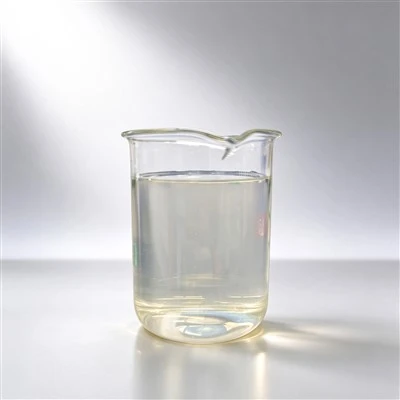
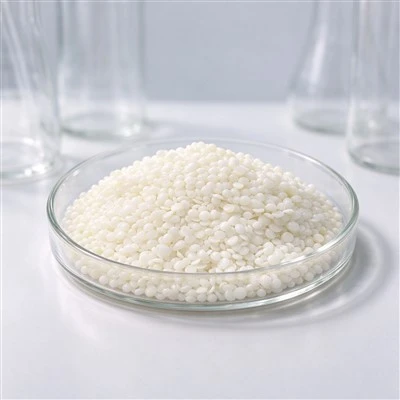
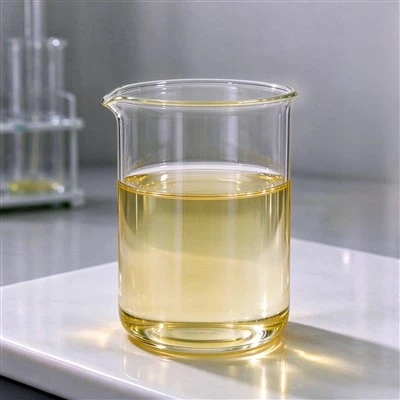
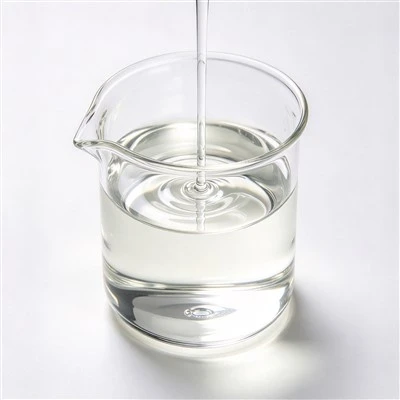
Amino surfactants are mild surface-active agents synthesized via the Schotten-Baumann condensation of fatty acyl chlorides with natural amino acids (such as glutamic acid, glycine, and alanine). They function as primary or secondary surfactants in high-end aqueous cleansing systems. Unlike traditional sulfate surfactants (e.g., SLS/SLES), these molecules exhibit an isoelectric point close to human skin, preserving the cutaneous barrier while minimizing protein denaturation. Supplied as crystal powders, flake solids, or clear aqueous solutions, they integrate into cold-process or hot-blend manufacturing lines requiring precise pH and viscosity control.
-
![Monosodium N-lauroyl-L-glutamate]() Monosodium N-lauroyl-L-glutamateHonestcare® LG-95view more
Sodium Lauroyl Glutamate, produced from lauric acid and glutamic acid through a green synthesis process, is a white, loose powder with good solubility. Its aqueous solution... -
![Sodium N-Cocoyl-L-Glutamate]() Sodium N-Cocoyl-L-GlutamateHonestcare® CG-Sview more
Sodium Cocoyl Glutamate, synthesized from natural coconut oil and glutamic acid, appears as a white, free-flowing powder that is easily soluble in water.It is an amino... -
![Sodium N-lauroylsarcosinate]() Sodium N-lauroylsarcosinateHonestcare® LS-95view more
Sodium Lauroyl Sarcosinate belongs to the creatine-based anionic surfactants. It is a white crystalline powder, easily soluble in warm water, with better solubility than... -
![Potassium Cocoyl Glycinate]() Potassium Cocoyl GlycinateHonestcare® GCK-95view more
Potassium Cocoyl Glycinate, synthesized from coconut oil fatty acids and potassium glycine, is a white to light yellow powder with excellent water solubility, quickly... -
![Sodium N-Cocoyl-N-Methyl Taurate]() Sodium N-Cocoyl-N-Methyl TaurateHonestcare® CMT-30view more
Sodium Cocoyl Methyl Taurate is a taurine-based anionic surfactant; it appears as a white paste with a fine texture, is easily soluble in water, and its aqueous solutions...


Key Features
Skin Compatibility:
Mild dermatological profile with a low irritation index, suitable for hypoallergenic and pediatric formulations.
01
Foaming Dynamics:
Generates dense, stable, and creamy micro-foam even in hard water conditions.
02
Rinsing Profile:
Low substantivity residue; rinses cleanly without a tight or stripped after-feel.
03
Eco-Profile:
Biodegradable molecular structure derived from renewable vegetable fatty acids and plant-sourced amino acids.
04
Compatibility:
Synergistic with anionic, amphoteric, and non-ionic co-surfactants across a broad working pH range (5.5 to 8.5).
05
Product Types & Technical Specifications

Personal Care: Sulfate-free facial cleansers, clear body washes, baby shampoos, shaving foams, and translucent toothpastes.
Technical & Textile Uses: Mild wetting and dispersing agents in specialized textile processing where alkaline hydrolysis of sensitive synthetic or natural fibers must be avoided.
Application & Process Considerations
PH Adjustment:
Liquid grades require pre-neutralization checks. Formulators should buffer systems between pH 5.5 and 7.0 to prevent the precipitation of free fatty acids when using powder grades.
Viscosity Building:
Electrolyte response differs from standard sulfates; utilize non-ionic thickeners or alkanolamides alongside PEG-150 distearate to hit targeted viscosity curves.
Temperature Control:
Add during the cooling phase below 65 degrees C in hot-process manufacturing to prevent thermal discoloration or degradation of active structures.
Manufacturing & Quality Control
Synthesis Route: Controlled Schotten-Baumann condensation under monitored temperature and alkaline parameters.
Purification: Desalting via membrane filtration to maintain sodium chloride levels below established thresholds (less than 1.0% for liquid grades).
Testing Protocols: Gas Chromatography (GC) for residual fatty acid profiling, High-Performance Liquid Chromatography (HPLC) for active homolog distribution, Karl Fischer titration for moisture content, and atomic absorption spectroscopy for heavy metal limits (Lead less than 10 ppm, Arsenic less than 2 ppm).
Compliance Standards: Manufactured under strict internal quality management protocols, fully compliant with EU REACH registration requirements and major global chemical inventory listings (including relevant regional cosmetic ingredient databases).
Liquid Grades: Packed in 200 kg HDPE drums or 1000 kg Intermediate Bulk Containers (IBC) equipped with tamper-evident seals.
Powder / Flake Grades: Lined multi-layer paper bags or fiber drums with moisture-barrier PE inner liners (20 kg / 25 kg net weight).
Storage Conditions: Store in sealed containers away from direct sunlight in a dry environment between 10 degrees C and 30 degrees C. Shelf life is 24 months from the date of manufacture under recommended conditions.

Frequently Asked Questions
As one of the leading amino surfactant manufacturers and suppliers in China, we offer a wide range of products with superior quality for industrial. Please rest assured to buy bulk amino surfactant made in China here from our factory. Contact us for more details.
Potassium Cocoyl Glycinate, Sodium N Cocoyl N Methyl Taurate, Sodium N Cocoyl L Glutamate