What is the performance of nonionic softener in hard water areas?
As a supplier of nonionic softeners, I've had numerous discussions with customers about the performance of our products in hard water areas. Hard water, characterized by high concentrations of calcium and magnesium ions, can significantly impact the effectiveness of many textile treatment chemicals. In this blog post, I'll delve into how nonionic softeners perform in such challenging environments.
Understanding the Challenge of Hard Water
Before we explore the performance of nonionic softeners, let's briefly understand the problems associated with hard water in textile processing. When water is "hard," the calcium and magnesium ions can react with various chemicals in the treatment process. For cationic softeners, these ions can form insoluble salts, leading to the precipitation of the softener on the fabric or in the processing equipment. This not only reduces the softening effect but can also cause issues such as uneven softening, color changes, and equipment clogging.
The Advantages of Nonionic Softeners in Hard Water
Nonionic softeners, on the other hand, have distinct advantages in hard water areas. These softeners do not carry an electrical charge in solution, which means they are less likely to react with the calcium and magnesium ions present in hard water. As a result, they can maintain their stability and effectiveness in hard water conditions.
One of the key performance indicators of a softener is its ability to impart a soft and smooth hand feel to the fabric. In hard water, nonionic softeners can still achieve excellent softening results. They form a thin, lubricating film on the fabric surface, reducing friction between the fibers and making the fabric feel softer to the touch. This is particularly important for textiles that come into direct contact with the skin, such as underwear, bedding, and baby clothing.

Another advantage of nonionic softeners in hard water is their compatibility with other chemicals used in the textile processing. Since they do not react with the hard water ions, they can be used in conjunction with other treatment agents without causing precipitation or interference. This allows for a more streamlined and efficient textile processing operation.
Specific Products and Their Performance
At our company, we offer a range of nonionic softeners designed to meet the diverse needs of our customers. Let's take a look at some of our popular products and how they perform in hard water areas.
-
Low Viscosity Nonionic Softener
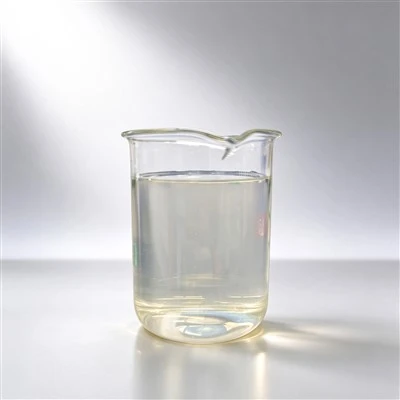
Our Low Viscosity Nonionic Softener is a versatile product that is well-suited for use in hard water. Its low viscosity allows for easy dispersion in the treatment bath, ensuring uniform application on the fabric. In hard water, it remains stable and can effectively soften the fabric without the risk of precipitation. This softener is especially useful for lightweight fabrics and delicate fibers, as it can provide a soft and gentle hand feel without adding excessive weight or stiffness. -
Ultra-low Viscosity Nonionic Softener
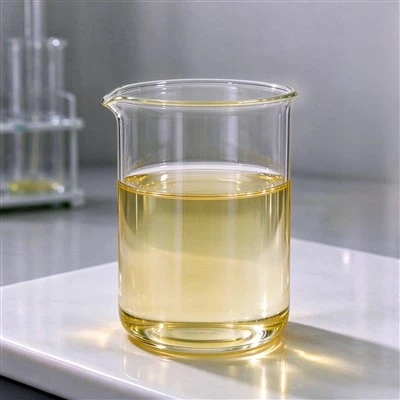
The Ultra-low Viscosity Nonionic Softener takes the advantages of low viscosity to the next level. With an even lower viscosity, it can be easily diluted and mixed with other chemicals, making it ideal for high-speed textile processing in hard water areas. It offers excellent softening performance and can penetrate the fabric quickly, resulting in a consistent and long-lasting soft feel. -
Nonionic Pearl Softener
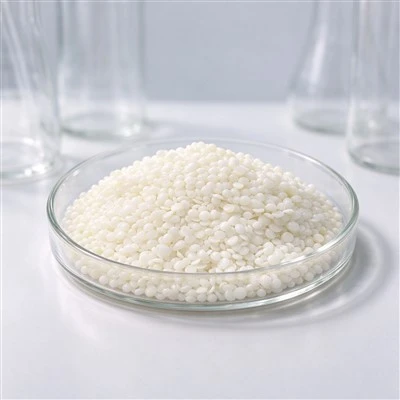
Our Nonionic Pearl Softener not only provides a soft hand feel but also imparts a beautiful pearlescent sheen to the fabric. In hard water, it maintains its stability and can enhance the appearance of the fabric. This softener is often used for high-end textiles, such as silk and satin, where both softness and visual appeal are important.
Case Studies
To illustrate the performance of our nonionic softeners in hard water areas, let's take a look at a few case studies.
In a textile factory located in a region with extremely hard water, the customer was experiencing problems with uneven softening and equipment clogging when using a cationic softener. After switching to our Low Viscosity Nonionic Softener, the issues were resolved. The fabric had a more uniform softness, and the equipment remained clean and free of clogs. This not only improved the quality of the finished products but also reduced the maintenance costs for the factory.
In another case, a manufacturer of baby clothing was looking for a softener that was gentle on the skin and could perform well in hard water. Our Ultra-low Viscosity Nonionic Softener was recommended. The customer was satisfied with the soft and smooth feel of the treated fabric, as well as the fact that there were no adverse reactions on the baby's skin. The softener also met the strict quality and safety standards required for baby products.
Tips for Using Nonionic Softeners in Hard Water
While nonionic softeners perform well in hard water, there are still some tips to ensure optimal results.
- Proper Dosage: It's important to use the correct dosage of the softener. Too little may not achieve the desired softening effect, while too much can lead to excessive accumulation on the fabric and potential issues.
- Temperature and pH Control: Maintaining the appropriate temperature and pH in the treatment bath can enhance the performance of the nonionic softener. Generally, a slightly alkaline pH is recommended for most nonionic softeners.
- Regular Maintenance: Even though nonionic softeners are less likely to cause equipment clogging, it's still important to perform regular maintenance on the processing equipment to ensure its smooth operation.
Conclusion
In conclusion, nonionic softeners offer excellent performance in hard water areas. Their ability to remain stable, provide effective softening, and be compatible with other chemicals makes them a preferred choice for textile processing in such challenging environments. Our range of nonionic softeners, including the Low Viscosity Nonionic Softener, Ultra-low Viscosity Nonionic Softener, and Nonionic Pearl Softener, are designed to meet the specific needs of our customers and deliver outstanding results.
If you're interested in learning more about our nonionic softeners or would like to discuss your specific requirements, please feel free to reach out. We're committed to providing high-quality products and excellent customer service. Let's work together to achieve the best results for your textile processing needs.
References
- [1] Textile Chemicals: Environmental Data and Ecotoxicology by Reinhard K. Weirich
- [2] Handbook of Textile and Industrial Dyeing by Malcolm Clark