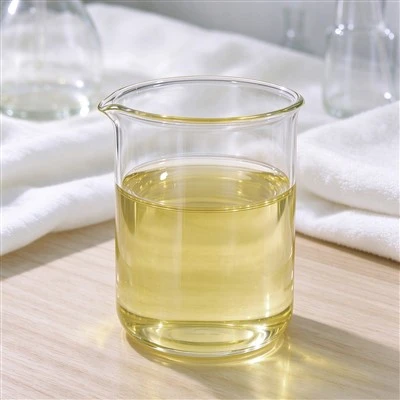
Hey there! As a supplier of Potassium Cocoyl Glycinate, I've been getting a lot of questions about how this amazing ingredient interacts with the skin's natural flora. So, I thought I'd take a deep dive into this topic and share some insights with you.


First off, let's talk a bit about what the skin's natural flora is. Our skin is home to a diverse community of microorganisms, including bacteria, fungi, and viruses. These little guys play a crucial role in maintaining the health and integrity of our skin. They help to protect us from harmful pathogens, regulate the skin's pH, and even contribute to the production of certain vitamins.
Now, let's get to Potassium Cocoyl Glycinate. It's a mild, amino acid-based surfactant that's commonly used in personal care products like cleansers, shampoos, and body washes. What makes it so special is its gentle nature, which makes it suitable for even the most sensitive skin.
So, how does Potassium Cocoyl Glycinate interact with the skin's natural flora? Well, one of the key things to understand is that it has a very low impact on the skin's microbiome. Unlike some harsher surfactants, Potassium Cocoyl Glycinate doesn't disrupt the delicate balance of the skin's natural flora. Instead, it works in harmony with it.
When you use a product containing Potassium Cocoyl Glycinate, it helps to remove dirt, oil, and impurities from the skin without stripping away the natural oils and beneficial bacteria. This is important because the natural oils and bacteria on our skin act as a protective barrier, keeping our skin healthy and hydrated.
Another way Potassium Cocoyl Glycinate interacts with the skin's natural flora is by promoting a healthy pH balance. The skin's pH is typically slightly acidic, around 5.5 to 7.0. Maintaining this pH balance is crucial for the health of the skin's microbiome. Potassium Cocoyl Glycinate has a pH that is close to the skin's natural pH, which means it helps to keep the skin's environment balanced and supportive of the natural flora.
In addition to its gentle cleansing properties and pH-balancing effects, Potassium Cocoyl Glycinate also has some antimicrobial properties. While it's not a strong antimicrobial agent like some other ingredients, it can help to inhibit the growth of certain harmful bacteria on the skin. This can be especially beneficial for people with acne or other skin conditions.
Now, let's compare Potassium Cocoyl Glycinate with some other common surfactants. For example, Sodium N-Cocoyl-N-Methyl Taurate is another popular amino acid-based surfactant. It's also mild and gentle on the skin, but it may have a slightly different impact on the skin's natural flora. Similarly, Sodium N-lauroylsarcosinate is another surfactant that is often used in personal care products. While it's generally considered to be mild, it may be a bit harsher than Potassium Cocoyl Glycinate.
So, why should you choose Potassium Cocoyl Glycinate for your personal care products? Well, for starters, it's a great option for people with sensitive skin. Its gentle nature means that it's less likely to cause irritation or allergic reactions. Additionally, its ability to work in harmony with the skin's natural flora makes it a great choice for maintaining the overall health of the skin.
If you're a formulator or a manufacturer looking for a high-quality surfactant for your personal care products, I highly recommend considering Potassium Cocoyl Glycinate. It's a versatile ingredient that can be used in a wide range of products, from facial cleansers to body washes. And because it's so gentle, it's suitable for all skin types.
If you're interested in learning more about Potassium Cocoyl Glycinate or have any questions about our products, feel free to reach out. We'd be happy to discuss your specific needs and help you find the right solution for your business.
In conclusion, Potassium Cocoyl Glycinate is a fantastic ingredient that has a positive impact on the skin's natural flora. Its gentle cleansing properties, pH-balancing effects, and antimicrobial properties make it a great choice for maintaining the health and integrity of the skin. So, if you're looking for a high-quality surfactant for your personal care products, give Potassium Cocoyl Glycinate a try.
References
- Some scientific studies on the impact of surfactants on the skin's microbiome
- Industry reports on the use of amino acid-based surfactants in personal care products