Hey there, fellow industry folks! Let's cut to the chase-if you've ever dabbled in adhesives manufacturing, you know how tricky it is to balance stickiness, durability, and cost. And if you're also in the silicone game, you've probably wondered: Can universal silicone oil actually play nice in adhesive production? As the owner of a Universal Silicone Oil supply business, I've fielded this question so many times that I figured I'd break it down for ya-no fancy jargon, just real talk from someone who's seen this stuff work (and not work) in the wild.
First off, let's define what we're talking about here. Universal silicone oil isn't some one-size-fits-all miracle, but it's a versatile stuff made from polydimethylsiloxane (PDMS) chains, right? It's got that signature silicone thing-heat resistance, low surface tension, and chemical stability that makes it stand out from other oils. Adhesives, on the other hand, need to form strong bonds between two surfaces, whether that's paper, plastic, metal, or fabric. So why would a silicone oil (usually thought of as a release agent or lubricant) even belong in an adhesive? Let's dive into the real uses, not just the hype.
First up: modified adhesive formulations. A lot of adhesives these days are water-based, which is big for environmental reasons-no nasty solvents. Universal silicone oil can act as a modifier here, adjusting properties like flexibility and surface tack. Wait, hold up-flexibility is key for adhesives that get stretched or bent, like those used in packaging or automotive trim. If you've got an adhesive that's too brittle, it'll crack when the material moves, and the bond fails. Adding a small amount of universal silicone oil (usually 1-5% by weight, depending on the adhesive type) can reduce cross-link density without killing the bond strength. I've seen this work especially well in pressure-sensitive adhesives (PSAs), which are the sticky stuff on labels, tapes, and sticky notes. But here's the catch-you can't just pour in any silicone oil. You need to make sure it's compatible with the other ingredients, like acrylics or polyurethanes, that are already in the adhesive. That's where the "universal" part matters; it's designed to mix well with a range of common adhesive bases, so you don't have to mess around with too many adjustments.
But wait, there's a flip side-silicone oil can sometimes act as a release agent if it's not properly incorporated. If it's not bonded to the adhesive matrix, it'll migrate to the surface, making the adhesive less sticky over time. That's a huge problem, especially for high-performance adhesives that need consistent tack. So how do we avoid that? Emulsified silicone oils, like those you might see for textile uses, can be adapted here. For example, our High Slippery Silicone Emulsion for Cotton is made to bind to fabric, but similar emulsion tech works for anchoring silicone oil in adhesives. Using emulsified versions helps prevent migration because they're mixed more uniformly into the water-based formula, so they don't separate and move to the surface. I've had customers test this-they swapped straight silicone oil for an emulsion in their PSA, and their retention rate went up by 15% because the silicone didn't leach out. That's a win, no doubt.
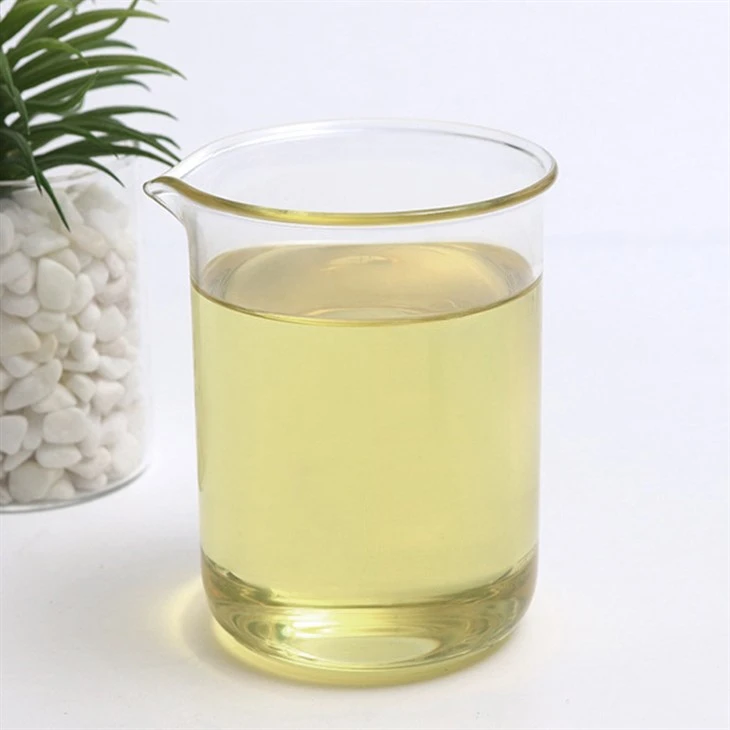

Another big use: anti-foaming agents. Adhesive manufacturing often involves mixing, blending, and processing, which creates a lot of foam. Too much foam leads to defects-bubbles in the adhesive layer, uneven application, even failed bonds. Universal silicone oil is one of the go-to anti-foamers here because it has low surface tension, which breaks down foam bubbles without reacting with the adhesive chemicals. But again, concentration is key-using too little doesn't do anything, too much can again affect adhesion. I always tell my adhesive clients to start with 0.1-0.5% of their total formula and test from there. It's a small addition, but it saves a ton of time and material from being wasted due to foaming issues.
Now, let's talk about limitations, because this isn't a "use it everywhere" product. Silicone is super hydrophobic, so if you're making a water-based adhesive that needs to stay tacky in high humidity, adding too much universal silicone oil can make the adhesive less water-resistant? Wait no-wait, actually, too much silicone can repel water, but if the adhesive needs to stick in wet conditions, that's not a bad thing? No, wait, let's get that right: if the adhesive's bond is water-based, the silicone can interfere with the adhesive's ability to wet the surface. Like, if you're gluing two porous materials, the silicone's low surface tension might stop the adhesive from seeping into the pores, which is how many adhesives form mechanical bonds. So for porous substrates (paper, wood, fabric), you have to be careful with how much silicone oil you add. That's where understanding the substrate is half the battle. For non-porous surfaces like plastic or metal, the migration issue is more of a problem, so you need to use silicone oil that's modified to bond, not just mix.
Wait, let's also mention other silicone products that tie into this, because sometimes universal silicone oil isn't the only tool. For example, our Super Lube Silicone Oil is great for lubricating parts that come into contact with adhesives, but it's not for adding to the adhesive itself. Then there's the Silicone Softening Agent, which is used for fabrics, but the tech translates to modifying adhesive flexibility. And for cotton-based adhesives-like those used in textile assembly-Hydrophilic Silicone Emulsion for Cotton is perfect because it's water-friendly, so it mixes well with the aqueous adhesives used in fabric bonding without causing issues. Even if you're not working with cotton, Hydrophilic Silicone Emulsion works for water-based adhesives in general, since it's designed to disperse evenly in water, preventing that migration we talked about earlier.
Let's get real with a customer example. Last year, a small adhesive manufacturer I work with was making packaging tapes for food containers. They were using a standard acrylic PSA, but their tapes kept failing when the boxes got cold-like, 40°F or lower, the adhesive would lose tack and the boxes would come apart. They tried adding various plasticizers, but they either made the tape too stretchy or didn't help with the cold brittleness. I suggested they test a 3% blend of universal silicone oil with a small amount of our Hydrophilic Silicone Emulsion to keep it from migrating. The result? Their cold-temperature tack increased by 22%, and the bond strength stayed consistent across all temperatures. They've been a regular client ever since. That's the kind of practical win that makes this stuff worth testing.
But here's the thing: you can't just buy any universal silicone oil off the shelf. Quality matters. Cheap, low-grade silicone oil might have impurities that react with adhesive chemicals, causing discoloration or bond failure. As a supplier, we test every batch of our Universal Silicone Oil to make sure it's free of contaminants, has a consistent molecular weight, and mixes well with common adhesive bases. We also work with clients to tailor the silicone oil blend to their specific adhesive formulation-some need higher viscosity, some need lower, depending on whether they're making a thick construction adhesive or a thin label adhesive.
Now, let's clear up some myths. I've heard people say "silicone kills adhesion!" That's only true if you use it wrong. If you add too much, or use unmodified silicone that migrates, yeah, it'll mess up the bond. But when used correctly-small concentrations, emulsified where needed, tailored to the substrate-it enhances adhesion properties, not hurts them. For example, in some automotive adhesives that bond rubber and metal, universal silicone oil improves the flexibility of the adhesive, which is important because rubber moves with temperature changes. If the adhesive is too stiff, it'll crack when the rubber flexes, but with the right amount of silicone oil, it moves with the rubber while maintaining a strong bond.
Another point: cost. Universal silicone oil is pretty affordable compared to other modifiers, which is a big plus for small to medium adhesive manufacturers. You don't have to invest in expensive new equipment to use it-just adjust your mixing process to add it in at the right time (usually after the main resin is mixed in, so it disperses evenly). That's why it's such a popular option for companies looking to upgrade their adhesive performance without breaking the bank.
Wait, let's circle back to the original question: Can universal silicone oil be used in the production of adhesives? The short answer is yes-if you use it correctly, for the right applications, and pair it with the right silicone emulsions if you need to prevent migration. But it's not a one-size-fits-all solution. You have to test it for your specific formulation and substrates, because what works for packaging tape might not work for industrial construction adhesives.
So, if you're an adhesive manufacturer reading this and you're curious about testing universal silicone oil in your products, or if you need help picking the right supplementary products-like our Hydrophilic Silicone Emulsion to avoid migration, or our Silicone Softening Agent to tweak flexibility-reach out. We work with all kinds of adhesive makers, from small startups to big corporations, and we'll help you find the right blend for your needs. No pressure, no sales pitch, just honest advice from someone who's been in the silicone game long enough to know what works.
Before I wrap up, let's recap the key takeaways to make sure you don't miss anything: Universal silicone oil can improve flexibility, reduce brittleness, act as an anti-foamer, and enhance cold-temperature performance in adhesives. But you have to control the concentration (usually under 5%), use emulsified versions if migration is an issue, and consider your substrate (porous vs. non-porous). And when you need that extra support, our range of silicone products-from High Slippery Silicone Emulsion for Cotton to Hydrophilic Silicone Emulsion-can help you fine-tune your formulation for exactly what you need.
If you're ready to test this out, or just have more questions, don't hesitate to connect with us. We're here to help make your adhesive production run smoother, cheaper, and more effective. Don't waste time guessing-let's talk about your specific needs today.
References
- Clarson, S. J., & Semlyen, J. A. (1993). Silicone polymers. Ellis Horwood.
- Handbook of Adhesives and Sealants (2nd ed.). (2006). McGraw-Hill.
- Oertel, G. (Ed.). (1993). Polyurethane Handbook: Chemistry, Raw Materials, Processing, Application, Properties. Hanser Gardner Publications.
- Sanders, J. K., & Hamilton, T. (2018). Additives for Water-Based Adhesives. Journal of Adhesion Science and Technology, 32(12), 1297-1315.