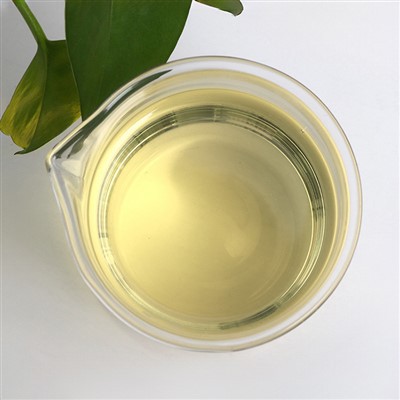
Amino surfactants, due to their unique molecular structure, possess both hydrophilic and lipophilic properties, playing a crucial role in daily chemicals, industrial cleaning, pharmaceuticals, and new materials.However, their performance is easily affected by environmental factors; improper storage can lead to decreased activity, separation, deterioration, and even safety hazards. Therefore, establishing scientific and reasonable storage methods is critical for maintaining their quality and extending their service life.
Controlling the temperature and humidity of the storage environment is paramount. Most amino surfactants are relatively stable at room temperature, but high temperatures accelerate molecular motion, inducing thermal decomposition or oxidation, especially for modified structures containing unsaturated bonds or easily oxidized structures. It is recommended to store the product in a cool place, with the ambient temperature controlled within the recommended range indicated on the product label, generally not exceeding 30°C, and avoiding direct sunlight or proximity to heat sources. Regarding humidity, excessively high moisture levels may promote hygroscopic clumping or microbial growth, especially in liquid formulations, which should be sealed tightly to prevent moisture penetration and alteration of concentration and phase.
Container selection and sealing are equally important. Amino surfactants often exhibit hygroscopic or volatile properties. Therefore, containers made of corrosion-resistant, well-sealed materials such as high-density polyethylene, polypropylene, or stainless steel cans should be used, ensuring tight seals to prevent air ingress that could lead to oxidation or reaction with carbon dioxide. For products containing quaternary ammonium salts, avoid using packaging materials that may adsorb or react with cationic components, as this could contaminate or reduce the effective content.
Light exposure can also adversely affect some amino derivatives, particularly those containing aromatic rings or conjugated structures. Ultraviolet light can induce photolysis or color changes. Therefore, storage areas should be equipped with light-shielding measures, such as using opaque containers or installing light-blocking curtains in the warehouse to reduce the duration and intensity of light exposure.
The compatibility and interactions of different products need to be comprehensively considered in the storage layout. If multiple surfactants or other chemicals are stored in the same warehouse, avoid mixing products that may react chemically. For example, strong acids, strong bases, or strong oxidants should be kept separate from amino surfactants to prevent neutralization, decomposition, or the generation of harmful gases. Meanwhile, products should be categorized and labeled, and clear inbound and outbound records should be established to prevent accidental retrieval or prolonged storage leading to spoilage.
In inventory management, the "first-in, first-out" principle should be followed. Appearance, odor, and changes in physical state should be checked regularly. If turbidity, layering, unusual odor, or significant viscosity abnormalities are found, availability should be assessed promptly. For opened and used products, the remaining portion should be sealed as soon as possible and the opening date marked to minimize environmental exposure time.
Regarding safety, although most amino surfactants are highly biodegradable, high-concentration contact can still cause irritation to the skin and mucous membranes. Storage areas should be well-ventilated and equipped with necessary protective and emergency response facilities. The disposal of waste liquids or residues must comply with environmental regulations, avoiding direct discharge into water bodies or soil.
In summary, the storage of amino surfactants should be approached from multiple dimensions, including temperature control, moisture prevention, light protection, sealing, isolation and compatibility, and safety management, forming a standardized process to effectively maintain their physicochemical properties and application value, providing reliable guarantees for subsequent production and use.