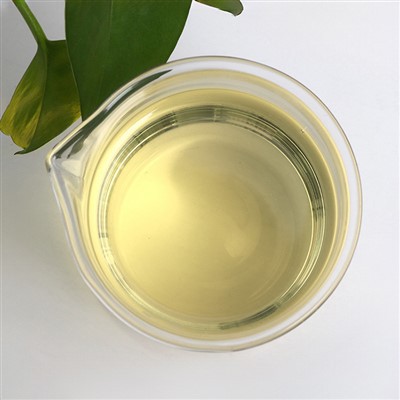
In modern family life, household chemicals, as a class of fine chemical products serving cleaning, care, preservation, disinfection, and improving the living environment, have become an indispensable part of daily life.Their scope includes cleaning agents, detergents, disinfectants, air fresheners, insect repellents, personal care products, and some decoration and repair chemicals, with diverse functions and high usage frequency. With the increasing demands for quality of life and hygiene and safety, the research and application of household chemicals are showing trends towards higher efficiency, specialization, and environmental friendliness.
The mechanisms of action of household chemicals are mostly based on chemical and physical principles such as surface activity, acid-base neutralization, redox reactions, enzyme catalysis, and controlled-release. For example, dishwashing detergents primarily use anionic or nonionic surfactants, which disperse grease and allow it to be washed away by water by reducing the surface tension of water and the interfacial energy between the grease and water. Chlorine- or hydrogen peroxide-based disinfectants rely on strong oxidizing properties to destroy the protein and nucleic acid structures of microorganisms, achieving broad-spectrum sterilization. Air fresheners mask odors and provide a pleasant scent through volatile aromatic molecules or microencapsulation slow-release technology. Pyrethroids and other components in insecticides interfere with the nervous system of insects to achieve their extermination purpose. Different ingredients and formulations (liquid, powder, gel, aerosol, tablet, etc.) have their own characteristics in terms of speed of action, duration of action, and safety.
In the development and selection of household chemicals, safety is always the primary consideration. Some products contain strong acids, strong alkalis, organic solvents, volatile organic compounds (VOCs), or certain active ingredients, which, if used improperly, may irritate human skin, respiratory tract, or mucous membranes, and even cause allergies or chronic toxicity. Therefore, manufacturers must limit the content of harmful ingredients according to relevant regulations and clearly indicate usage methods, precautions, and storage conditions on the label. Consumers should strictly control the dosage and contact time according to the instructions, avoid mixing with other chemicals to prevent the generation of toxic gases (e.g., mixing chlorine-containing disinfectants with acidic cleaners can generate chlorine gas), and pay attention to the safety of children and pets.
Environmental protection has also become an important constraint and driving force for the development of household chemicals. Excessive use of phosphates in traditional formulations can easily lead to eutrophication of water bodies, volatile organic compounds participate in atmospheric photochemical reactions to form ozone and fine particulate matter, and some recalcitrant surfactants and plasticizers can persist in the environment. To address this, the industry is continuously promoting green formulations: using biodegradable surfactants to replace traditional branched alkylbenzene sulfonates, using renewable acids such as citric acid and lactic acid to replace some synthetic acids, utilizing plant-derived essential oils and enzyme preparations to improve cleaning efficiency and reduce chemical load, and developing phosphorus-free, low-VOC, and recyclable packaging products to balance performance and environmental friendliness.
Scientific management during use is equally crucial. Products with appropriate strength and formulation should be selected based on the degree of pollution and the material of the item to avoid overuse that could lead to waste and secondary pollution. For multifunctional composite products, it is essential to understand their component interactions to prevent performance degradation or adverse reactions. Residual or expired chemicals should be properly disposed of according to hazardous waste management regulations; they must not be arbitrarily dumped or mixed with household waste to reduce potential harm to water bodies and soil.
Overall, household chemicals play a significant role in improving convenience and hygiene, but their chemical properties dictate that safety and environmental protection principles must be adhered to throughout the entire chain of research, development, production, sales, and use. Only through a combination of technological innovation and rational application can their functional value be unified with social and ecological benefits, providing reliable support for building a healthy, safe, and sustainable home environment.